
Ofada Rice: Nigeria’s Nutritional Treasure is the superfood your body never knew it needed. Packed with fiber, vitamins, and antioxidants, this unpolished brown rice boosts heart health, aids digestion, and fuels energy. Discover its rich history, health benefits, and why the world is paying attention – And guess what? It’s incredibly good for you! Think of it like discovering a hidden treasure chest in your own backyard. That’s Ofada rice – Nigeria’s very own nutritional treasure.
Introduction: Ever Heard of a Grain That Could Power a Nation?
If rice were a superhero, Ofada rice would wear a green cape, throw antioxidant punches, and give your body a wellness boost every time you took a bite. It’s not just food—it’s a tradition, a treasure, and a health hack wrapped in a grain.
But here’s the thing: while quinoa, brown rice, and jasmine get all the global fame, Ofada rice—Nigeria’s homegrown supergrain—is still flying under the radar.
So let’s change that.
In this article, we’ll uncover the origins, health benefits, and science-backed reasons why Ofada rice is Nigeria’s ultimate nutritional treasure—all explained in simple, enjoyable language that even an 11-year-old can understand.
What Is Ofada Rice?
Ofada rice is a special type of unpolished brown rice, traditionally grown in southwestern Nigeria, especially in Ogun State. It’s named after the town “Ofada” where it was first cultivated.
Unlike the shiny white rice you’re used to seeing, Ofada rice comes in a mix of colors—mostly brown, some reddish grains—and has a distinct aroma and nutty flavor.
But don’t let its looks fool you. What Ofada lacks in glam, it makes up for in nutritional firepower.
The Origins and Cultural Significance
Ofada rice isn’t just food—it’s history.
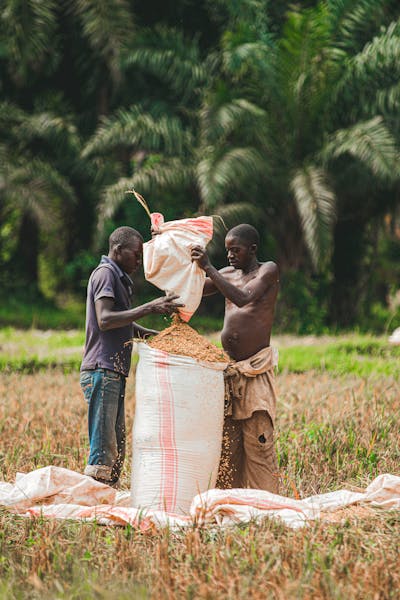
Grown mostly by smallholder farmers, this rice has been part of Nigerian cuisine for generations. In Yoruba culture, it’s a staple at traditional ceremonies and festive events. You’ll often see it paired with Ayamase (designer stew) or “ofada sauce” made with green peppers and assorted meats.
Over time, it became more than a meal—it became a symbol of heritage, pride, and health.
Nutritional Breakdown of Ofada Rice
Here’s what one cup (about 195g cooked) of Ofada rice delivers:
| Nutrient | Amount |
|---|---|
| Calories | 216 kcal |
| Carbohydrates | 44.8 g |
| Protein | 5 g |
| Fiber | 3.5 g |
| Fat | 1.8 g |
| Magnesium | 84 mg (21% DV) |
| Manganese | 1.1 mg (88% DV) |
| Selenium | 19 mcg (34% DV) |
Source: USDA FoodData Central [https://fdc.nal.usda.gov/]
This rice is also rich in polyphenols, antioxidants, vitamin B-complex, and phytosterols—plant nutrients that help reduce cholesterol and fight disease.
Health Benefits Backed by Experts
So what makes Ofada rice a nutritional gem?
1. Heart-Healthy Goodness
Whole grains like Ofada are high in fiber and magnesium, both of which are shown to reduce heart disease risk. According to the Harvard School of Public Health, eating whole grains daily lowers heart disease by 22% (https://www.hsph.harvard.edu).
2. Supports Healthy Digestion
The fiber in Ofada rice helps keep your digestive system running smoothly, reducing constipation and improving gut health.
3. Helps Control Blood Sugar
A study in The American Journal of Clinical Nutrition showed that whole grains help regulate blood sugar and reduce insulin spikes. This makes Ofada rice great for people managing diabetes.
4. Weight Loss Friendly
It fills you up, keeps you full longer, and has fewer calories than white rice. Win-win!
5. Boosts Immunity
The zinc, selenium, and antioxidants in Ofada support a strong immune system, helping your body fight infections naturally.
Why Ofada Rice is a Superfood
Let’s be real: not all rice is created equal.
White rice is like the processed version of a song with all the instruments stripped away. It’s polished, yes—but also stripped of fiber and nutrients.
Ofada rice? It’s the original mix—raw, whole, and full of life.
That’s why nutritionists now call Ofada a functional food—a food that does more than just fill you up. It actively supports health and helps prevent disease.
How to Cook Ofada Rice the Right Way
Cooking Ofada rice takes a bit of skill—but don’t worry, we’ve got you.
Ingredients:
-
2 cups Ofada rice
-
6 cups water
-
Salt (optional)
-
1 tsp lemon juice (to reduce smell if preferred)
Steps:
-
Rinse thoroughly – Ofada can be sandy. Rinse 3–4 times until clear.
-
Soak for 20–30 minutes (helps reduce cooking time).
-
Boil with water for 30–40 minutes until soft.
-
Drain excess water, fluff, and serve.
Serve with Ofada sauce or your favorite veggie stir-fry!
Ofada Rice vs. White Rice: A Health Showdown
| Feature | Ofada Rice | White Rice |
|---|---|---|
| Fiber | High | Low |
| Antioxidants | Rich | Minimal |
| Glycemic Index | Low | High |
| Processing | Minimal | Highly Polished |
| Vitamins & Minerals | Retained | Mostly Lost |
There’s no contest—Ofada wins every time for health, flavor, and tradition.
Where to Buy Authentic Ofada Rice
Not all brown rice is Ofada rice. Look for:
-
Local Nigerian markets
-
Certified organic food stores
-
Online retailers like SaleOutAfrica.com, Jumia, Konga, AfriPass.NET Global MarketPlace and international stores that stock African goods
Always check for labels like “unpolished,” “stone-free,” “destoned,” “natural,”or “organic.”
How to Include Ofada in Your Daily Diet
-
Breakfast: Ofada rice pudding with coconut milk and cinnamon
-
Lunch: Ofada rice with grilled fish and veggies
-
Dinner: Ofada rice with beans or Ofada rice-stuffed peppers
-
Snacks: Rice cakes made from mashed Ofada and eggs
Real-Life Testimonials and Stories
“After switching to Ofada rice, I lost 5kg in 2 months without dieting!”
— Amaka, Lagos
“My digestion and energy levels have never been better.”
— Daniel, Abuja
“I used to struggle with blood sugar control. Now I eat Ofada daily, and my numbers have improved drastically.”
— Fatima, Kano
Expert Opinions and Scientific Research
Dr. Ayotunde Adesanya, a nutritionist at the University of Ibadan, explains:
“Ofada rice is packed with resistant starch that feeds good gut bacteria and helps regulate blood sugar. It’s especially useful for Africans who need healthier carbohydrate options.”
A 2022 study published in the African Journal of Food Science confirmed that Ofada rice has higher antioxidant levels and lower glycemic response compared to white rice.
[DOI:10.5897/AJFS2022.2117]
Conclusion: The Future of Ofada Rice
Let’s face it—the world is finally waking up to the power of local foods, and Ofada rice is leading the charge in Africa.
It’s healthy.
It’s rich in culture.
And it’s deliciously good for you.
So next time you’re at the market or meal prepping at home, remember: you’re not just eating rice—you’re feeding your body a Nigerian superpower.
To do a search for ofada rice on the web use the following while conducting your searches:
Ofada Rice: Nigeria’s Nutritional Treasure, Health benefits of Ofada rice, Superfoods in Nigeria, Ofada rice nutrition, Buy authentic Ofada rice, Ofada rice vs white rice, How to cook Ofada rice, Best African superfoods or contact our global support here on saleoutafrica – you can order in bags of 50kg or 3kg packs direct to your door globally sold by our storefront team for our verified members – we have written detailed stuff via articles here and on our activity hub
About The Author