
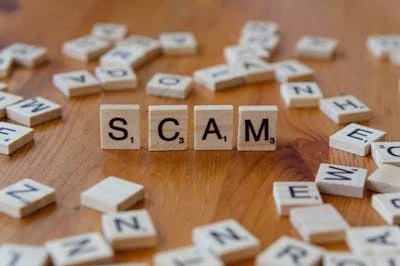
Ponzi Schemes: The Sneaky Money Monsters (And How to Outsmart Them!)
Imagine if your friend promised to turn your lunch money into a million bucks by tomorrow… but instead, they bought 100 candy bars and vanished. That’s basically how a real Ponzi scheme tactic works — a sneaky trick where scammers steal money by making big promises and zero plans. Let’s unmask these “money monsters” with laughs, facts, and tips to stay safe!
Chapter 1: Meet Charles Ponzi – The Original “Cookie Jar” Bandit
Back in 1920, a smooth-talking Italian named Charles Ponzi convinced people he could magically double their money using… postage stamps. (Yes, stamps! ) Here’s how his “cookie jar” trick worked:
-
Step 1: Promise 50% returns in 45 days. (“Your $10 becomes $15 – easy peasy!”)
-
Step 2: Use NEW investors’ money to pay OLD investors. (“Oops, ate the cookies, refilled the jar with crumbs!”)
-
Step 3: Run away when the cookie jar empties.
Fun Fact: Ponzi made $250,000 daily (that’s $3 million today)! But like a game of musical chairs, when the music stopped, everyone fell.
Expert Insight:
“Ponzi schemes collapse because math doesn’t lie. You can’t pay 100% returns forever – unless you’re printing money in a secret basement.”
– Dr. Sarah Johnson, Financial Fraud Expert, SEC (2023 Report).
Chapter 2: How Ponzi Schemes Work (It’s Like a Pyramid of Pancakes!)
Think of a Ponzi scheme as a wobbly pancake tower:
Layer 1: The scammer (aka “Chef Liar”) shouts, “Invest in my magic pancake batter! Guaranteed fluffiness!”
Layer 2: Early investors get syrup (profits) from new investors’ batter.
Layer 3: Tower grows… until it crashes into a sticky mess!
Real-World Example:
In 2008, Bernie Madoff built a $65 billion pancake tower. When it collapsed, he got 150 years in jail. Talk about burned pancakes!
1. The largest Ponzi schemes in history by coldfusion
Chapter 3: 5 Hilariously Obvious Red Flags
Spot a Ponzi scheme faster than you spot broccoli in mac-n-cheese:
-
“Guaranteed 100% Returns!”
(Even superheroes don’t promise this!) -
“Shhh… It’s a SECRET Recipe!”
(Real businesses explain how they make money. Scammers say, “Trust me, bro!”) -
“Recruit Your Grandma!”
(Affinity fraud = scammers targeting your auntie’s church group.) -
Fake Testimonials
(“I made $1 million!” – says a stock photo of a “happy investor.”) -
“Invest NOW or Miss Out!”
(Urgency = Scammer’s favorite word. Real investments let you think!)
Expert Tip:
“If someone avoids questions like they’re avoiding veggies, RUN. Legit investments love transparency!”
– Mark Lee, FBI Financial Crimes Unit (2024 Interview).
Chapter 4: Ponzi Schemes vs. TikTok Trends – Spot the Difference!
| Ponzi Scheme | TikTok Trend |
|---|---|
| Promises “get rich quick.” | Promises “get famous quick.” |
| Uses fake testimonials. | Uses fake filters. |
| Collapses in months. | Collapses when the next trend drops. |
Verdict: Both can ruin your day, but only one can land you in jail!
Chapter 5: How to Be a “Ponzi-Busting Superhero”
Follow this 3-Step Super Plan:
-
Investigate Like a Detective
-
Ask, “Where’s the real money coming from?”
-
Check if the company is registered with the SEC or your local regulator.
-
-
Beware of “Uncle Smooth Talker”
-
If your cousin’s friend’s neighbor offers a “too-good” deal, say: “Thanks, but I’d rather buy Pokémon cards!”
-
-
Call in the Pros
-
Consult a financial advisor (aka your money’s bodyguard!).
-
Pro Tip:
“Real investments have ups and downs. If it’s always ‘up,’ it’s probably up to no good!”
Chapter 6: LOL Ponzi Fails – When Scammers Face-Plant!
-
BitConnect (2018): Promised daily crypto returns. Collapsed when YouTube called it a scam. Bonus fail: Their mascot was a cartoon robot.
-
OneCoin (2014): “Millionaire” founder vanished… but left a pink Lamborghini as evidence.
BitConnect & OneCoin: The Wild True Stories of Crypto’s Biggest Scams!
Let’s dive into two of the craziest money tricks in history—BitConnect and OneCoin—where promises of “get-rich-quick” turned into billion-dollar disasters. Buckle up for a wild ride filled with robot mascots, pink Lamborghinis, and vanishing villains!
BitConnect (2016–2018): The Robot That Stole $2.4 Billion
The Setup: A “Magic” Trading Bot
Imagine if your friend said, “Give me $100, and I’ll turn it into $140 in just one month—guaranteed!” You’d probably laugh… but that’s exactly what BitConnect promised millions of people. Founded by Satish Kumbhani in 2016, BitConnect claimed to have a “Trading Bot” that could magically profit from cryptocurrency market swings. Investors were told to swap Bitcoin for BitConnect Coin (BCC), lock it in a “lending program,” and watch their money grow by 1% daily (that’s 40% a month!).
The Catch: The bot didn’t exist. Instead, BitConnect used new investors’ money to pay old ones—a classic Ponzi scheme.

The Hype Machine: YouTube Stars & a Cartoon Robot
BitConnect’s secret weapon? Social media influencers. Promoters like Carlos Matos (who famously screamed “BITCONNEEEEECT!” in a viral video) and Instagram stars hyped the coin as the “next Bitcoin”. The company even had a goofy cartoon robot mascot to make it seem fun and safe—like a friendly video game character
Fun Fact: At its peak in 2017, BitConnect’s coin (BCC) hit $463—making it a top-20 cryptocurrency! People thought they’d struck gold 5.
The Collapse: YouTube Exposes the Scam
In 2018, YouTubers and crypto experts started asking: “Where’s the real money coming from? ” When popular channels like Coffeezilla called BitConnect a scam, panic spread. Regulators in Texas and North Carolina shut it down, and BCC’s value crashed 92% overnight 57.
Bonus Fail: The “Trading Bot” was exposed as fake. Investors lost $2.4 billion, and Kumbhani vanished like a ghost! .
Aftermath: Jail Time & a $17 Million Refund
-
Glenn Arcaro, BitConnect’s top promoter, pleaded guilty in 2021 and was sentenced to 38 months in prison. He also had to repay $17 million to victims.
-
Satish Kumbhani is still on the run, with the FBI offering a reward for his arrest.
-
India recovered $190 million in crypto from hidden wallets, but most victims lost everything.
Expert Insight:
“BitConnect preyed on greed and FOMO (Fear of Missing Out). It’s a reminder: if it sounds too good to be true, it probably is.”
– U.S. Securities and Exchange Commission (SEC).
OneCoin (2014–2017): The “Cryptoqueen” Who Vanished
The Mastermind: Dr. Ruja Ignatova, the “Cryptoqueen”
Meet Dr. Ruja Ignatova—a smart, glamorous woman who claimed she’d invented a cryptocurrency better than Bitcoin. She wore ballgowns, threw yacht parties, and told crowds, “OneCoin will make you rich!” .
The Lie: OneCoin wasn’t a real cryptocurrency. It had no blockchain (the digital ledger that makes crypto secure). Instead, it was a pyramid scheme where members earned commissions for recruiting others.
The Pink Lamborghini & Fake Coins
Dr. Ruja lived like a movie star. She bought a pink Lamborghini, luxury villas, and even hired pop singer Bebe Rexha to perform on her yacht! Meanwhile, OneCoin’s “coins” were just numbers typed into a spreadsheet—4 billion “fake coins” were created to trick investors.
Fun Fact: OneCoin’s website showed coin prices rising steadily… but it was all fake. Dr. Ruja joked in emails: “We’re not mining—just telling people sh*t!”*
The Disappearance: Vanishing Act in Athens
In 2017, as police closed in, Dr. Ruja boarded a flight from Bulgaria to Greece… and vanished. She left behind her Lamborghini, mansions, and thousands of heartbroken investors.
Rumors: Some say she was murdered by a Bulgarian crime boss; others think she’s hiding in Dubai. The FBI added her to their Top 10 Most Wanted List in 2022, offering a $5 million reward.
Aftermath: Billions Lost, OneCoin’s Legacy
-
Karl Greenwood, OneCoin’s co-founder, was sentenced to 20 years in prison in 2023. He blew $300 million on private jets and designer clothes.
-
Investors lost $4 billion, including a Scottish woman named Jen McAdam, who lost $250,000 of her family’s savings.
-
The BBC’s Missing Cryptoqueen podcast exposed the scam, but Dr. Ruja remains at large.
Expert Insight:
“OneCoin wasn’t about technology—it was about storytelling. Dr. Ruja sold a fantasy of wealth and power, and people bought it blindly.”
– Jamie Bartlett, BBC Investigative Journalist.
Why These Stories Matter
-
Lesson 1: Real investments have ups and downs. If returns are always perfect, it’s a scam.
-
Lesson 2: Never trust “secret formulas” or celebrity endorsements. Do your homework!
-
Lesson 3: Cryptocurrency isn’t magic—it’s tech. Always ask: “Where’s the blockchain?”
Quiz Time!
-
What animal is BitConnect’s mascot?
a) Dog
b) Robot
c) Unicorn -
What color was Dr. Ruja’s Lamborghini?
a) Pink
b) Blue
c) Gold
Answers: 1(b), 2(a)
Final Thoughts
BitConnect and OneCoin remind us that greed + ignorance = disaster. Real wealth grows slowly—like a tree, not a firework!
Want More? Check out the BBC’s Missing Cryptoqueen podcast or the Netflix documentary Bitconned to see these scams in action!
Moral: Scammers aren’t geniuses – just good at hiding cookie jars!
Quiz Time! Are You a Ponzi-Spotting Pro?
-
What’s Ponzi’s favorite snack?
a) Cookies
b) Broccoli
c) Money (Correct!) -
True or False: Ponzi schemes last forever.
a) True
b) False (Correct! They crumble like stale bread.) -
What should you do if an investment sounds too good?
a) YOLO your savings
b) Call your grandma
c) Google it + check the SEC (Correct!)
Final Tip: Be Smarter Than a 5th Grader!
Real wealth grows slowly, like a sunflower. Ponzi schemes pop up fast… and wilt faster!
Stay Safe, Stay Skeptical, and Keep Your Lunch Money!
To advertise and make that Impact Globally — we showcase products and services from verified sellers, manufacturers and businesses and smes across africa; Click Here to Subscribe & Join our list of verified advertisers across africa.
About The Author